
Photo of Caroline Burnett

Caroline Burnett is a Knowledge Lawyer in Baker McKenzie’s North America Employment & Compensation Group. Caroline is passionate about analyzing trends in US and global employment law and developing innovative solutions to help multinationals stay ahead of the curve. Prior to joining Baker McKenzie in 2016, she had a broad employment law practice at a full-service, national firm. Caroline holds a J.D. from the University of San Francisco School of Law (2008) and a B.A. from Brown University (2002).

Employers have been eagerly awaiting the EEOC’s Final Rule to implement the Pregnant Worker Fairness Act, and it’s (finally!) here. On April 15, the EEOC issued the Final Rule, which largely follows the proposed rule (we blogged about the proposed rule here, and about the PWFA here). The Final Rule was published in the Federal Register on April 19, 2024 and will take effect on June 18, 2024. There are no major surprises for employers, but the Final Rule has arrived with a bit of controversy.Continue Reading Special Delivery: The PWFA Final Rule Has Arrived

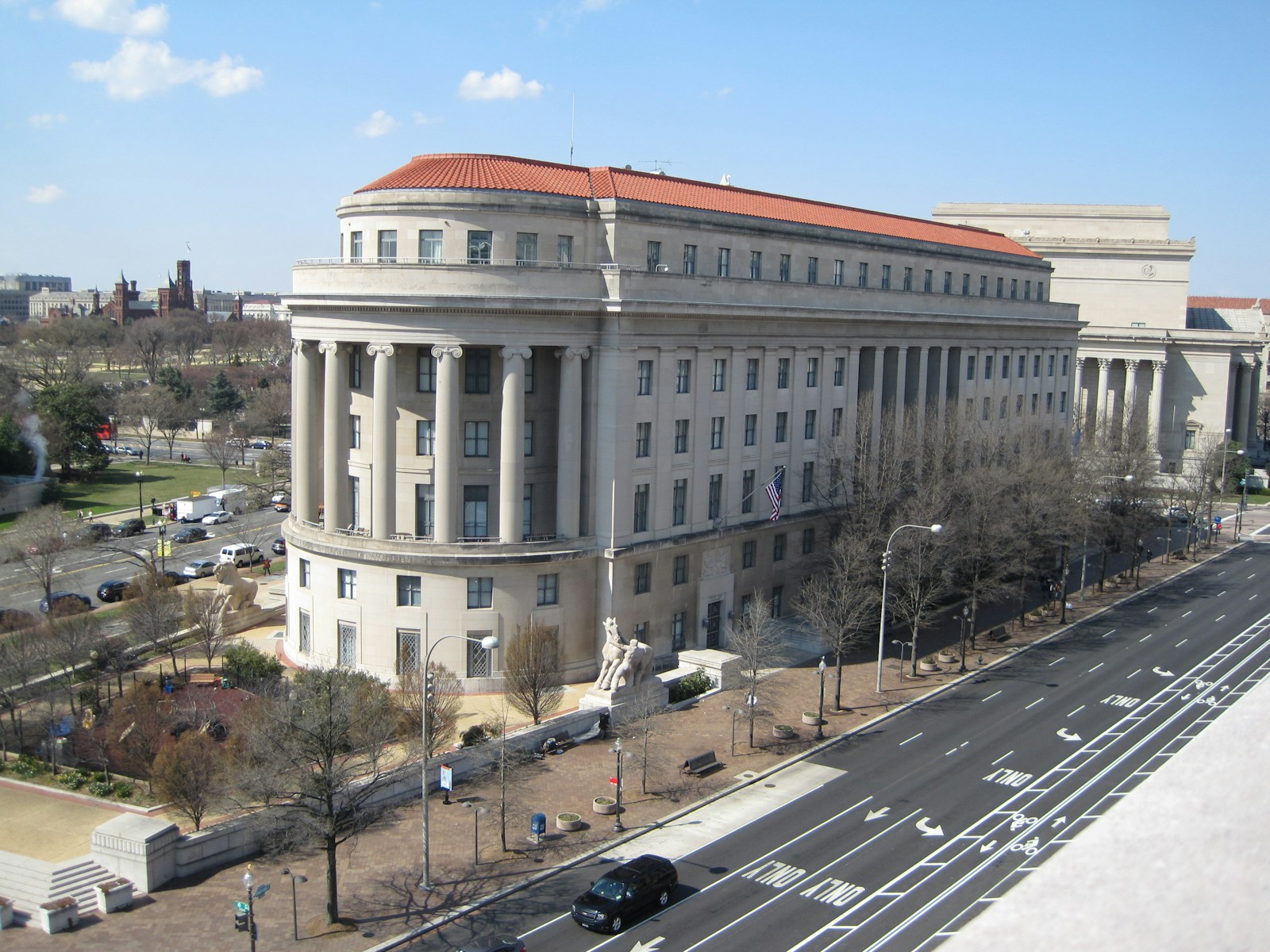
On April 23, the Federal Trade Commission voted 3-2 to issue its final rule on noncompetes, imposing a near-total ban on all employer-employee noncompetes in the US. Barring challenges (the first lawsuits have already been filed), the rule would become effective 120 days from publication.

The rule will be a game-changer for companies operating in the US if it takes effect as issued.

Breaking it Down

What does the rule do?

With only a few exceptions, the FTC’s now-final rule declares employer-employee noncompete clauses an “unfair method of competition,” and a violation of Section 5 of the FTC Act. The rule targets both formal noncompete clauses and “functional noncompete” clauses that have the effect of prohibiting the worker from seeking or accepting employment with a person or operating a business after the conclusion of the worker’s employment with the employer. This can include broad nondisclosure agreements that have the effect of precluding workers from seeking employment opportunities in the same field.Continue Reading Breaking News: The FTC Bans Nearly All Employer-Employee Noncompetes Except Those Given as Part of a ‘Bona Fide’ Sale of Business

Last week, a unanimous US Supreme Court held that an employee need only show “some harm” from a change in the terms and conditions of employment, rather than a “significant” employment disadvantage, to assert a claim for discrimination under Title VII. The decision resolves a circuit split over the showing required for discrimination claims based on changes less drastic than demotions, terminations, or pay reductions, and underscores the continued importance of taking a thoughtful approach to any change in the terms and conditions of an employee’s employment.Continue Reading Less is More: SCOTUS Shifts Title VII Threshold to “Some” Harm (Though Plaintiffs Must Still Show Discriminatory Intent)

The Department of Labor’s “new” rule for classifying workers as employees or independent contractors under the Fair Labor Standards Act took effect March 11, 2024. The DOL’s Final Rule returns employers to a familiar pre-Trump administration totality of the circumstances test that focuses on the “economic realities” of the worker’s situation. The practical impact is that it is now harder for businesses to classify workers as independent contractors, and it will likely increase federal wage and hour claims.

There are mounting legal challenges to the Final Rule contesting the DOL’s rulemaking authority. However, to date, none of the suits have been successful at blocking implementation of the Final Rule. So, for now, it stands.

Practice pointer: different legal tests for different laws

Employers new to the US are often baffled to learn that no single test exists to evaluate independent contractor status for all purposes. This means compliance is complicated since different tests may apply depending on the context. And yes, this also means that it’s feasible for a worker to be an independent contractor for some purposes and an employee for others (such as under state and federal law, for example). Continue reading for a summary of the key tests that come up most often for US multinationals.Continue Reading New DOL Rule Makes it Harder to Classify Workers as Independent Contractors (Plus a Quick Recap of the Key Misclassification Standards Across the US)

You’re not alone in wondering where the Equal Employment Opportunity Commission’s final regulations to implement the Pregnant Workers Fairness Act are. In fact, they are well past their due date.

How it started

The PWFA became effective on June 27, 2023. In August 2023, the EEOC published proposed regulations to implement the PWFA. (We outlined the proposed regulations in our blog here, and about the PWFA here). The public comment period for the proposed regulations closed October 10, 2023, and the proposed regulations were delivered to the Office of Information and Regulatory Affairs (“OIRA”) on December 27, 2023 for review.

How it is going

However, to date, no final regulations have been issued, despite the PWFA’s requirement that the EEOC issue regulations by December 29, 2023. The regulations, once finalized, will provide clarity for employers implementing policies and practices to comply with the PWFA. For instance, the proposed regulations outline a nonexhaustive list of what the EEOC considers potential accommodations under the PWFA, including job restructuring and part-time or modified work schedules.

However, even without final regulations in place, employers are required to meet the PWFA’s mandates. The proposed regulations can still be used to offer insight into how the EEOC believes the PWFA should be interpreted.Continue Reading Pregnant Pause: The EEOC’s Delay In Issuing Final Regs For The PWFA Should Not Delay Compliance

As a consistent trend-setter in passing employee-friendly legislation, California has enacted the country’s first workplace violence prevention safety requirements applicable to nearly all employers in the state.

SB 553 requires California employers to adopt a comprehensive workplace violence prevention plan, train employees on workplace violence, and begin logging incidents by July 1, 2024.

Detailed Requirements for a Written Plan

The workplace violence prevention plan must be written, available and easily accessible to employees (as well as authorized employee representatives and Cal/OSHA representatives).Continue Reading California Employers: Prepare Your Workplace Violence Prevention Plan (Deadline In T-Minus 3 Months)

With thanks to Jonathan Isaacs, Baker McKenzie’s APAC Chair, Employment & Compensation, China / Hong Kong and Emma Pugh, Knowledge Lawyer, Employment & Compensation, Hong Kong.

The economic effects of the COVID-19 pandemic and the change in geopolitical landscape have forced employers globally to reassess and re-evaluate their business priorities. Our team is working

  • Enhanced risk for bias suits targeting remote staff for layoffs
  • More ADA claims alleging mishandling of accommodation requests
  • Changes to digital nomad visas in different jurisdictions around the globe, and
  • The critical need to identify where all employees are located when the